What is Dartmouth College Known For?
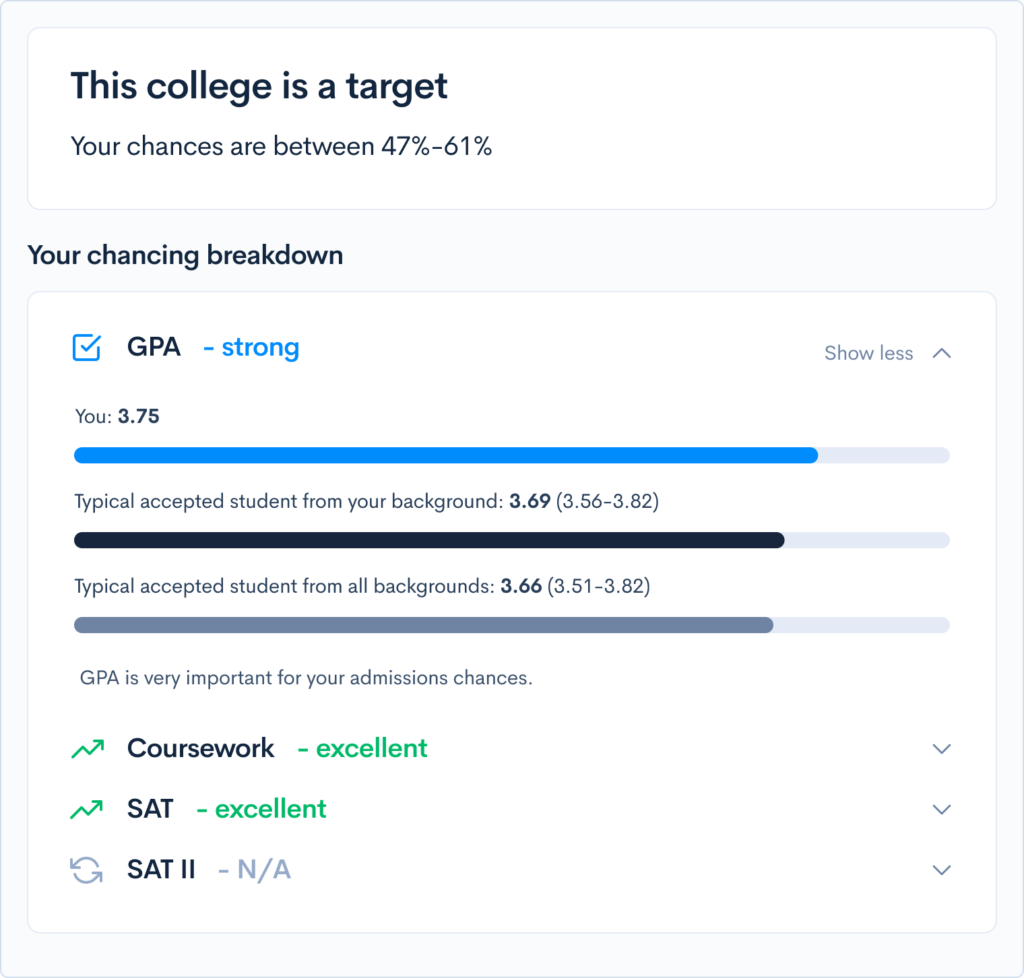
What is Dartmouth known for? On one hand, Dartmouth is known for its rigorous academics, Ivy League status, and small class sizes. On the other hand, the college is renowned for its Greek life (it was the inspiration for the movie Animal House), rural setting, and outdoorsy vibe. Wondering what else makes Dartmouth unique? Here’s what you should know. Location: Hanover, NH Undergraduate Enrollment: 4,570 Acceptance Rate: 5% Middle 50% SAT: 1500-1570 Middle 50% ACT: 33-35 Dartmouth consistently ranks among the country’s best universities, and its rigorous admissions reflect that. The college places particular importance on academics and highly values applicants with high GPAs who are at the top, or very close to the top, of their class. Dartmouth requires supplemental essays as part of its application process—these carry weight but are no substitute for an exceptional academic profile. What is Dartmouth known for? From its northern New England location to owning its own ski hill to its incredible alumni network, there are a multitude of ways in which Dartmouth differentiates itself from other colleges. Dartmouth is known for its unique year-round academic calendar. The “D Plan”—the name given to Dartmouth’s quarter-system calendar—consists of four 10-week terms per year, providing students considerable flexibility. Students generally take three classes per term and must complete 35 courses over 12 terms to graduate. Students can select which terms they’re on campus; the sole requirement is that they complete the requisite number of classes over their four years. The flexibility of the D Plan allows for fantastic internship opportunities, as Dartmouth students don’t need to compete against hordes of other college students for summer positions. The D Plan also enables students to explore the world and travel for extended stretches. On the topic of travel, study abroad is a popular option at Dartmouth—more than half of undergraduates participate in this program. Dartmouth is home to five schools: Of Dartmouth’s five schools, two of them are open to undergraduates—Arts & Sciences and the Thayer School of Engineering (which was founded in 1867 and is one of the oldest engineering schools in the country). A notable aspect of Dartmouth’s engineering school is its partner school dual-degree program, which allows students from other liberal arts colleges to pursue an engineering degree at Dartmouth. Dual-degree graduates will spend a fifth year at Dartmouth and graduate with both a bachelor’s degree from their home school and a Bachelor of Engineering (BE) from Dartmouth. The schools that participate in Dartmouth’s dual-degree program are: Lastly, talk with any former Dartmouth student and they’ll glow over the access they had to their teachers. Classes are led by professors, not graduate students, and class sizes are small. Greek life at Dartmouth is legendary. It famously inspired the classic 1978 movie Animal House, and plays a large role in today’s campus life—undergraduate participation in fraternities and sororities hovers around 60%. Greek life is the social hub of the college, embodying the “work hard, play hard” ethos that permeates campus culture. Dartmouth is home to the oldest and largest outing club in the nation—it was founded in 1909 and about a quarter of the undergraduate population are members of the Dartmouth Outing Club (DOC). DOC members can stay in the club’s cabins, join organized trips, access rental gear, and enroll in classes. Because of the large size of the DOC, it serves as an umbrella for a handful of smaller clubs focused on outdoor recreation, including: One of the amenities available to Dartmouth’s outdoorsy student body is the Dartmouth Ski Way, the school-owned ski area. Just 15 minutes from campus, the school has regular shuttles to and from the ski area, and students receive discounted tickets. An active outing club, its own ski mountain, and easy access to the ski areas of New Hampshire and Vermont have all helped Dartmouth produce some of the world’s best skiers. Dartmouth has had a skier in every Olympics dating back to 1924 and, in 2022, seven U.S. skiers with ties to Dartmouth. One of the world’s best skiers, Mikaela Shiffrin—winner of three Olympic medals and a record 101 (and counting) World Cup races—didn’t attend Dartmouth, but her dad did. He was a member of the Dartmouth ski team in the 1970s. It’s not all outdoor activities that get “Big Green” students going outside the classroom. The Dartmouth Aires is the university’s oldest a capella group. Since 1946, the group has performed a wide mix of musical styles and sketch comedy on campus, along the East Coast, and internationally—performing as far afield as Italy, Hong Kong, and Aruba. [amp-cta id="9459"] One of Dartmouth’s most enduring (and fun) traditions is its annual snowball fight, which occurs during the first snowfall of the winter term. The event is triggered by a mysterious email in poem form sent by famous alumni (Dr. Seuss) to Robert Frost (also a Dartmouth graduate), inviting the reader to a midnight snowball fight. Dartmouth embraces the cold, dark winter months of northern New England for another of its most notable traditions: Winter Carnival. First held in 1911, the theme of the Winter Carnival changes annually, and events include a Polar Bear Swim and Human Dogsled Races. First-year trips play an important role in introducing new students to Dartmouth. “Trips” are a student-run, pre-orientation program that takes first-year students on a five-day outdoor experience (suitable for all skill levels and backgrounds), facilitating interaction between upperclassmen and incoming students. The program is wildly popular, with more than 90% of incoming students participating. Dartmouth is a close-knit residential college community. Roughly 90% of students live on campus in Dartmouth housing, which includes residence halls, fraternities, and sorority houses. Dartmouth’s campus is also home to numerous living-learning communities: Dartmouth practices need-blind admissions, which means that a student’s financial circumstances aren’t considered when making admissions decisions. Dartmouth meets 100% of the demonstrated financial need of its students. Students from families with total incomes of $125,000 or less (and typical assets) will receive a financial aid package with no required parental contribution and no student loans. Dartmouth offers a variety of excellent resources available to its students. The school is classified as having “very high research activity” by the Carnegie Foundation, making it one of just 187 schools in the country to receive the honor. The school has a strong commitment to combining world-class academics with cutting-edge research. Dartmouth’s home in Hanover, New Hampshire, offers a relatively rural experience compared to the other Ivies. Hanover is about two hours from Boston, an hour and a half from Burlington, Vermont, and five hours from New York City. Prestigious schools like Dartmouth receive applications at a substantially higher rate than they admit students—they received more than 30,000 during the 20245-2025 admissions cycle and accepted fewer than 2,000 students. To streamline the admissions process, highly selective colleges use the Academic Index to weed out candidates with weaker academic profiles. The Academic Index is a single number that represents the strength of your grades and standardized test scores. If your academics aren’t strong enough to clear Dartmouth’s threshold, there is a likelihood your application won’t get viewed in its entirety. One way to see how you stack up against admissions standards is with CollegeVine’s free chancing calculator. Our chancing engine uses data points like GPA and standardized test scores, along with other factors like extracurricular activities, to calculate your odds of acceptance at Dartmouth and hundreds of other colleges. In addition to your chances, it provides valuable insight into how to improve your profile. What’s Covered:
Overview of Dartmouth
Unique Aspects of Dartmouth
Academics
Extracurriculars

Traditions
Dorms
Financial Aid
Resources
Location
What Are Your Chances of Acceptance at Dartmouth?