What is UChicago Known For?
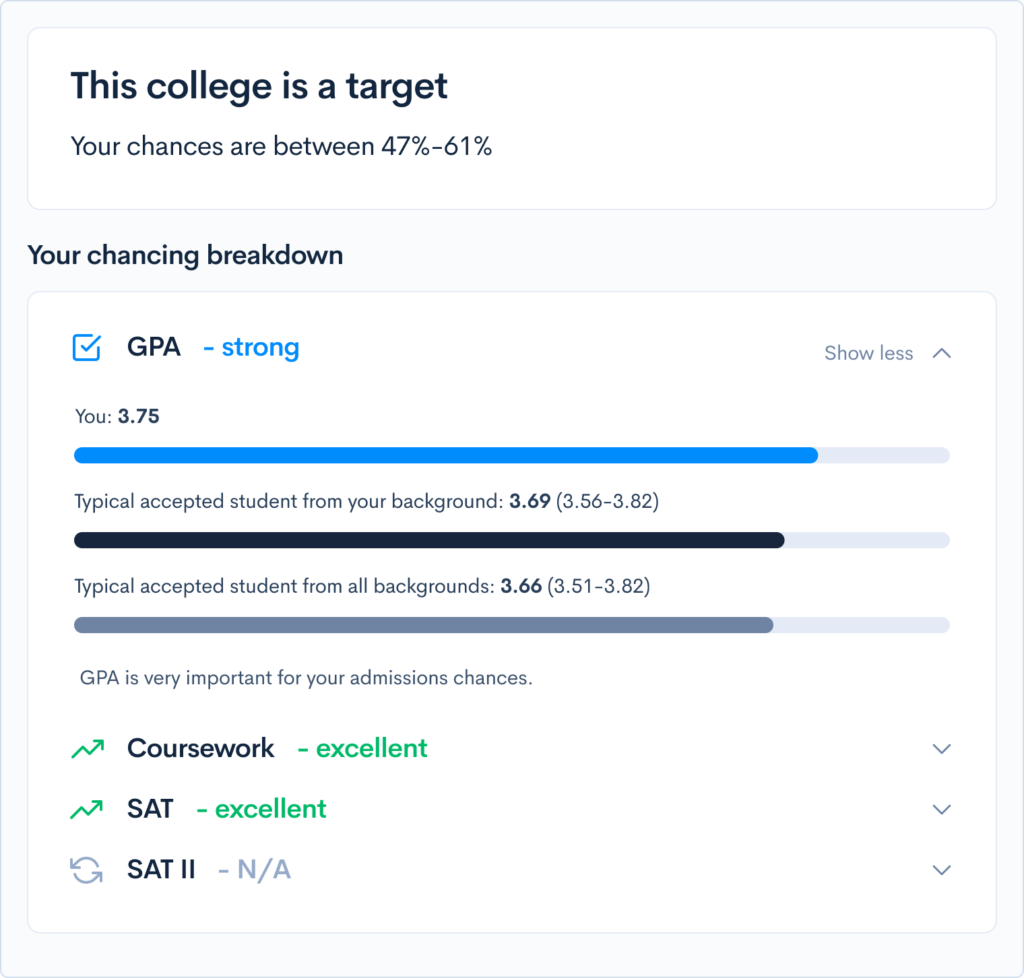
UChicago is one of the most prestigious schools in the country. The university is known for attracting students who are intellectually engaged and a bit quirky. In this post, we’ll cover what makes the University of Chicago unique, from its unusual essay prompts to the birth of improv comedy. Location: Chicago, Illinois Undergraduate Enrollment: 7,519 Acceptance Rate:4% Middle 50% SAT: 1510-1560 Middle 50% ACT: 34-35 The University of Chicago consistently ranks among the top ten universities in the nation, and its rigorous admissions process reflects that. The admissions committee places significant weight on applicants’ writing skills—even for students intending to pursue STEM. While writing is even prioritized above extracurriculars, academic standards typically aren’t relaxed, even for students with strong essays. Applicants can demonstrate their writing skills in the UChicago supplements, which require highly original and engaging responses. Admissions also values published writing in any field or medium. UChicago’s essay prompts are known for being outlandish and quirky. They demand creative yet analytical treatment, and provide ample opportunity for students to demonstrate their investment in “the life of the mind,” UChicago’s unofficial motto. Some classic essay prompts from years’ past include: For more insight on how to approach the University of Chicago’s infamous essays, take a look at CollegeVine’s breakdown of this year’s prompts. Popular majors at the Univeristy of Chicago include: The University of Chicago does offer minors, but they are not required. At UChicago, minors help give focus to students’ general electives. Not every major offers a minor, and some minor programs do not have a corresponding major. Popular minors include: The University of Chicago is home to a handful of unique programs, these include: Contrary to the popular perception that the University of Chicago is “where fun comes to die,” the university has a lively student life outside of academics. Multicultural groups, pre-professional groups, sports, Greek life, and arts groups are all popular among the student body. UChicago also has a couple of unique student organizations, like the student-run circus, Le Vorris and Vox, and MODA, the university’s fashion magazine. Improv originated at UChicago, and the school retains a strong culture of comedy performance. In the 1950s, a University of Chicago performing group called the Compass Players developed the art of improvisational comedy and went on to become The Second City. Then, in 1986, the cofounder came back to UChicago and created Off-Off Campus, UChicago’s current improv comedy performance group. Over UChicago’s more than a century-long history, a number of traditions have been established, including: UChicago’s residential life is divided into 39 houses, which serve as a microcosm of the university’s community. Each house develops its own identity through traditions, a mascot, and shared values; like a family, members of houses all eat and live together. The Art to Live With program allows University of Chicago students to borrow designated artworks from the Smart Museum of Art to display in their dorms at no cost. The collection includes works by renowned artists such as Pablo Picasso, Marc Chagall, and Francisco Goya. The No Barriers policy allows students to graduate free of debt. The university is need-blind and meets 100% of demonstrated need. Families earning less than $125,000 per year (with typical assets) will have tuition fully covered. Families earning less than $60,000 per year will pay nothing for tuition, fees, and room and board. The University of Chicago is located on Lake Michigan in the great Midwestern city of Chicago. Students have access to all that a world-class city has to offer within the more intimate community of the university. The University of Chicago places special emphasis on integration and partnership with its environs. The university is the largest private employer on the South Side of Chicago. Selective schools like UChicago use a metric called the Academic Index to filter out their applicants. If your grades and test scores don’t meet expectations, the rest of your application might not be reviewed. To get a better sense of your chances at UChicago, check out our free admissions calculator. All you need to do is enter your grades, test scores, and extracurriculars, and we’ll give you your estimated odds of acceptance, plus feedback on how to improve your chances. Using our platform, you can also search for schools based on criteria like location, size, and acceptance rate, or filter schools based on your chances of acceptance. What’s Covered:
Overview of the University of Chicago
Unique Aspects of the University of Chicago
Essays
Academics
Unique Programs
Extracurriculars
Traditions
Dorms
Financial Aid
Location
What Are Your Chances of Acceptance at the University of Chicago?